AboutProceduresReviewsInsuranceFormsContactCall 817.922.9229

Procedure Guide

Stomach Surgery

Stomach (gastric) surgery addresses conditions including bleeding ulcers, perforations, tumors, and other pathology of the stomach. Treatment may range from partial resection to repair of acute complications, depending on the underlying condition.

Treats ulcers, tumors, and perforationsEmergency and elective indicationsOpen or laparoscopic approachesExperience with complex gastric anatomy
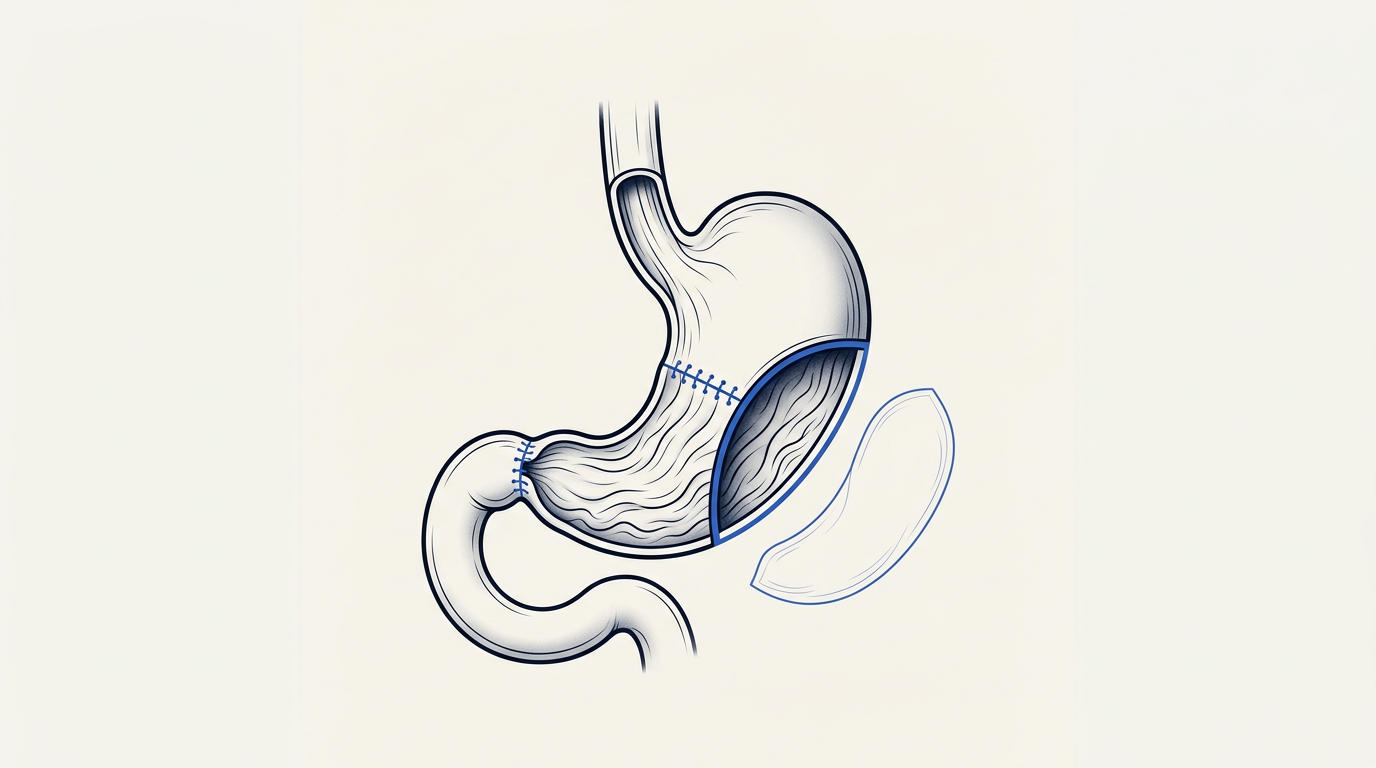
Medical illustration of stomach surgery showing gastric anatomy and surgical intervention for ulcers or tumors

Quick Guide

Conditions

Ulcers, tumors, perforations, bleeding

Urgency

Ranges from elective to emergency

Approaches

Laparoscopic or open

Recovery

Varies by procedure complexity

Patient-First Note

Stomach surgery is performed for a range of conditions, from emergencies like perforated ulcers to planned operations for tumors or chronic disease. Your surgeon will explain the specific approach for your situation.

What It Covers

Surgery on the stomach itself

Gastric surgery may involve repairing a perforation, removing part of the stomach (partial gastrectomy), controlling bleeding, or addressing tumors or pre-cancerous conditions.

Emergency Cases

Perforations and uncontrolled bleeding

A perforated ulcer or massive gastric bleeding may require urgent surgery to save the patient's life. Trauma to the stomach also requires prompt surgical intervention.

Planned Cases

Tumors and chronic conditions

Gastric tumors, GISTs (gastrointestinal stromal tumors), and conditions unresponsive to medical therapy may require planned surgical resection.

Anatomy

A critical organ with complex blood supply

The stomach has a rich blood supply and sits in close relationship to the spleen, pancreas, and major vessels. Surgical experience with this anatomy is essential.

Indications

When stomach surgery is necessary

Surgery may be needed for perforated peptic ulcers, gastric bleeding that cannot be controlled endoscopically, gastric tumors (benign or malignant), strictures causing obstruction, and trauma.

Many stomach conditions are initially managed medically or endoscopically. Surgery is reserved for cases where these approaches are insufficient or the condition requires direct surgical intervention.

Approach

Surgical options for gastric conditions

Simple repairs such as ulcer patching may be performed laparoscopically. Partial gastrectomy — removal of a portion of the stomach — may be done open or laparoscopically depending on the indication and extent of disease.

The surgical plan is individualized based on the diagnosis, location within the stomach, urgency, and the patient's overall condition.

How Care Is Planned

Treatment is based on your symptoms, exam, and the condition.

Repair

Patching perforations or controlling bleeding

Acute problems like perforated ulcers or bleeding vessels may be treated with primary repair, oversewing, or omental patching, often performed urgently.

Partial Gastrectomy

Removing a portion of the stomach

Tumors, chronic ulcer disease, or obstruction may require removal of part of the stomach with reconstruction of the digestive tract.

Laparoscopic Options

Minimally invasive when appropriate

Selected gastric procedures can be performed laparoscopically, offering less pain and faster recovery. The decision depends on the condition and surgical complexity.

Recovery Timeline

What recovery may look like.

Step 1

Evaluation

Workup may include endoscopy, CT imaging, and blood work. Emergency cases are evaluated and taken to surgery rapidly.

Step 2

Surgery

Duration depends on the procedure — from one hour for a simple repair to several hours for a complex resection.

Step 3

Hospital stay

Simple repairs may require two to three days. Partial gastrectomy typically requires five to seven days or longer.

Step 4

Recovery

Diet is advanced gradually from liquids to solids. Full recovery depends on the extent of surgery and may take several weeks to months.

Common Questions

Answers patients often want before scheduling.

Can I eat normally after stomach surgery?

This depends on how much stomach was removed. Patients with partial gastrectomy may need to eat smaller, more frequent meals. Patients with simple repairs often return to a normal diet.

Is stomach surgery always an emergency?

No. While perforations and uncontrolled bleeding require urgent surgery, conditions like gastric tumors are often treated with planned operations after thorough evaluation.

What causes a perforated ulcer?

Peptic ulcers erode through the stomach wall, usually due to H. pylori infection, chronic NSAID use, or a combination. Perforation allows stomach contents to leak into the abdomen, causing peritonitis.

How is gastric cancer treated surgically?

Gastric cancer typically requires partial or total gastrectomy with removal of nearby lymph nodes. The extent of surgery depends on the tumor's location, size, and stage.

Consultation

Talk through your symptoms and next steps.

Call our office to schedule an evaluation with Dr. Bayouth. This page is educational and should not replace personal medical advice.