AboutProceduresReviewsInsuranceFormsContactCall 817.922.9229

Procedure Guide

Lipoma / Mass Removal

Lipomas are benign fatty tumors that grow beneath the skin. While usually harmless, they may be removed when they cause discomfort, grow in size, or need evaluation to rule out other conditions. Other soft tissue masses may also require surgical excision for diagnosis or treatment.

Common benign soft tissue growthUsually painless and slow-growingOffice or outpatient removalTissue sent for pathology when indicated
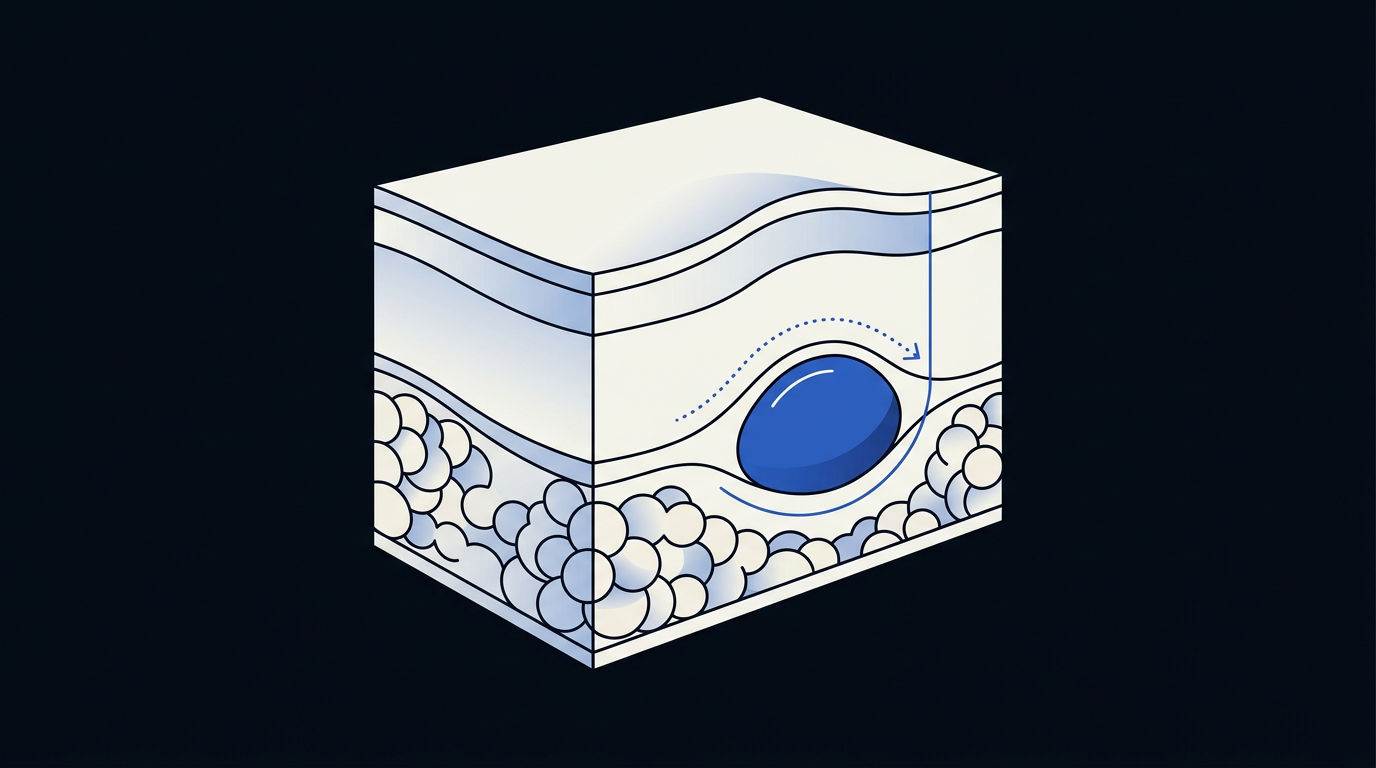
Medical illustration of lipoma removal showing a benign fatty mass beneath the skin and surgical excision technique

Quick Guide

What It Is

Benign fatty tumor under the skin

Typical Feel

Soft, movable, painless lump

Treatment

Surgical excision

Setting

Outpatient procedure

Patient-First Note

Most lipomas are benign and do not require treatment. Removal is typically considered when the mass causes pain, limits movement, is cosmetically bothersome, or needs further evaluation.

What It Is

A benign growth of fat cells

Lipomas are the most common soft tissue tumors. They are composed of mature fat cells and are almost always benign. They typically feel soft, rubbery, and movable under the skin.

When to Evaluate

Growing, painful, or uncertain masses

Not every lump is a lipoma. Masses that are firm, fixed, painful, rapidly growing, or deep-seated may warrant imaging and biopsy to rule out other conditions.

Where They Occur

Arms, torso, neck, and thighs

Lipomas can develop almost anywhere in the body but are most common on the trunk, upper arms, neck, and thighs. Some patients develop multiple lipomas.

Removal

Complete surgical excision

When removal is indicated, the lipoma is excised through an incision over the mass. The tissue is typically sent for pathology to confirm the diagnosis.

Evaluation

When a lump should be examined

Any new, growing, or changing lump should be evaluated by a physician. While most are benign, a thorough examination helps distinguish lipomas from other soft tissue masses that may require different treatment.

Imaging such as ultrasound or MRI may be used for larger or deeper masses. Biopsy may be recommended when the diagnosis is uncertain.

  • New or growing lump under the skin
  • Mass that is firm, fixed, or painful
  • Location that affects movement or comfort
  • Concern about the nature of the mass

Procedure

How excision is performed

Lipoma excision is typically performed as an outpatient procedure under local anesthesia. An incision is made over the mass, the lipoma is dissected from surrounding tissue, and the wound is closed.

Larger or deeper masses may require sedation or general anesthesia. The excised tissue is sent to pathology for microscopic evaluation to confirm the diagnosis.

How Care Is Planned

Treatment is based on your symptoms, exam, and the condition.

Observation

Monitoring stable, confirmed lipomas

Small, asymptomatic lipomas with characteristic features may be observed without surgery. Regular monitoring ensures any changes are caught early.

Excision

Complete surgical removal

The standard treatment is complete surgical excision, which removes the entire lipoma and provides tissue for pathologic examination. Recurrence after complete excision is uncommon.

Biopsy First

When the diagnosis is uncertain

For atypical masses, a needle biopsy or imaging may be recommended before excision to guide the surgical plan and ensure appropriate treatment.

Recovery Timeline

What recovery may look like.

Step 1

Consultation

Your surgeon will examine the mass, discuss imaging if needed, and recommend whether excision is appropriate.

Step 2

Procedure day

Most excisions are performed under local anesthesia in an outpatient setting. The procedure typically takes 20 to 45 minutes depending on size and location.

Step 3

First week

Keep the incision clean and dry. Sutures are typically removed within 7 to 14 days. Most patients have minimal pain managed with over-the-counter medication.

Step 4

Full recovery

Most patients return to normal activity within a few days to one week. Heavy lifting may be restricted briefly depending on the incision location.

Common Questions

Answers patients often want before scheduling.

Are lipomas cancerous?

Lipomas are benign (non-cancerous). However, not every soft tissue lump is a lipoma. Evaluation and sometimes pathology are important to confirm the diagnosis.

Will the lipoma come back after removal?

Recurrence after complete excision is uncommon. Patients who develop multiple lipomas may develop new ones in different locations over time.

Does lipoma removal leave a scar?

An incision is required, so there will be a scar. The incision is typically planned along natural skin lines to minimize its appearance.

Is the procedure painful?

The area is numbed with local anesthesia, so patients typically feel pressure but not pain during the procedure. Post-operative discomfort is usually mild.

Consultation

Talk through your symptoms and next steps.

Call our office to schedule an evaluation with Dr. Bayouth. This page is educational and should not replace personal medical advice.