AboutProceduresReviewsInsuranceFormsContactCall 817.922.9229

Procedure Guide

Living Kidney Donor Surgery

Living kidney donation is a life-saving procedure in which a healthy person donates one kidney to a patient with kidney failure. The donor surgery — a nephrectomy — is performed by a surgeon experienced in kidney removal, and the donor can live a full, healthy life with one kidney.

Life-saving gift for kidney failure patientsThorough donor evaluation processLaparoscopic or robotic approachDonors live full, healthy lives with one kidney
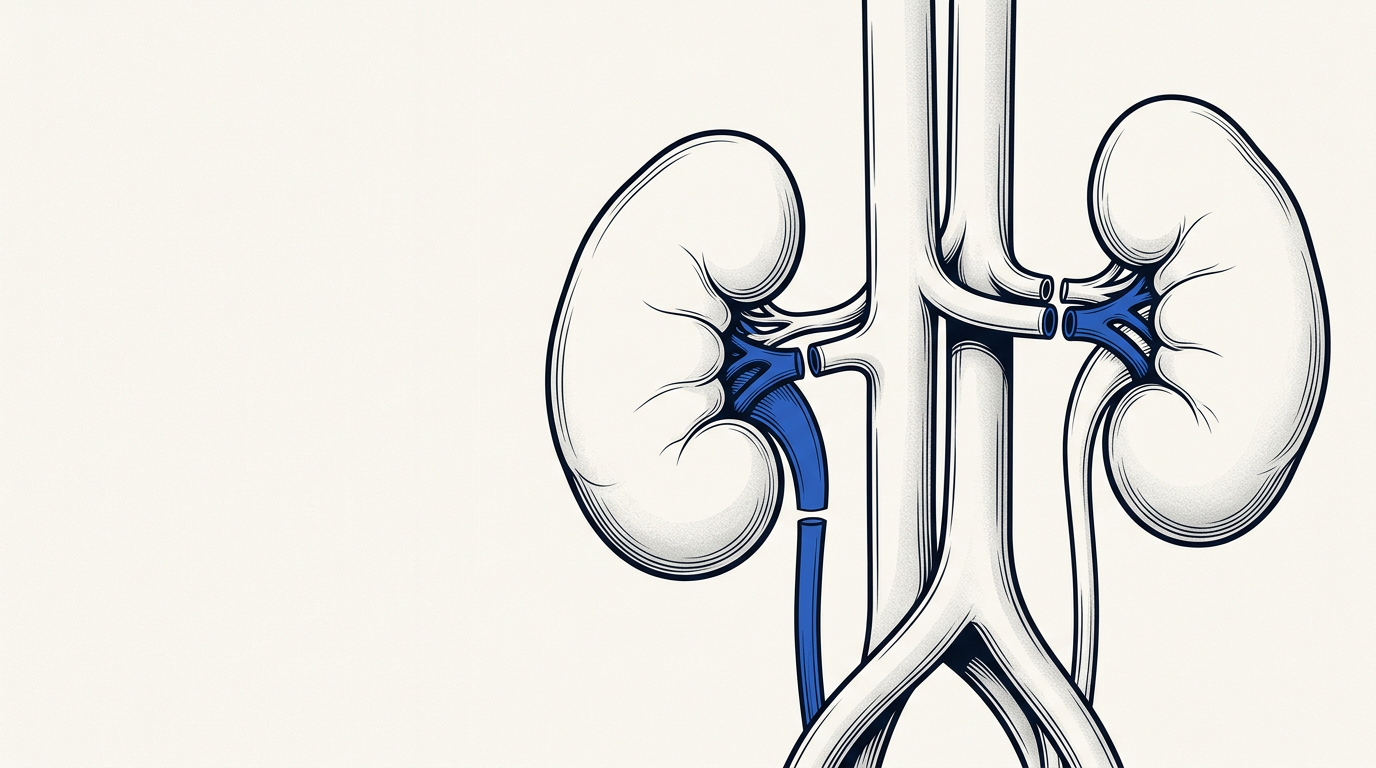
Medical illustration of living kidney donor surgery showing kidney anatomy, blood supply, and laparoscopic nephrectomy approach

Quick Guide

Procedure

Donor nephrectomy (kidney removal)

Approach

Laparoscopic or robotic

Hospital Stay

2–3 days typical

Return to Work

2–4 weeks for most donors

Patient-First Note

Donating a kidney is a significant decision. The evaluation process is thorough and designed to protect the donor's health and ensure the best outcome for both donor and recipient.

Why It Matters

Kidneys from living donors last longer

Kidneys from living donors typically function better and last longer than those from deceased donors. Living donation also significantly reduces wait time for the recipient.

Safety

Donor health is the top priority

The evaluation process ensures that donors are healthy enough to give a kidney safely. Donors with health risks are not approved. Long-term studies show living donors have outcomes comparable to the general population.

One Kidney

You can live a full life with one kidney

The remaining kidney compensates by increasing its function. Most donors experience no change in lifestyle, activity level, or life expectancy.

The Procedure

Minimally invasive kidney removal

Donor nephrectomy is typically performed laparoscopically through small incisions. The kidney is removed intact and immediately transplanted into the recipient.

Evaluation

The donor screening process

The evaluation is comprehensive and includes blood work, kidney function testing, cross-matching with the recipient, CT imaging of the kidneys and blood vessels, cardiac evaluation, and psychological screening.

The process is designed to identify any condition that could put the donor at risk during or after surgery. Not everyone who wants to donate is approved — donor safety always comes first.

25+ Years in Transplant

Two decades of living donor experience in Fort Worth

Dr. Bayouth began performing living donor nephrectomies at Baylor All Saints in the early 2000s and is currently helping lead the donor program at Harris Methodist.

In 2025, Dr. Bayouth performed the first robotic-assisted laparoscopic left donor nephrectomy at Harris Methodist — bringing the latest surgical technology to living kidney donation in Fort Worth. He then went on to help achieve a record-breaking year of 21 living donor kidney donations, reflecting both the trust of referring physicians and the growing demand for experienced donor surgeons in the DFW area.

Procedure

How the surgery is performed

Donor nephrectomy is most commonly performed laparoscopically or with robotic assistance. Several small incisions are made in the abdomen, and the kidney is carefully freed from its attachments and blood supply using precise, camera-guided instruments.

The kidney is removed through a small incision (typically in the lower abdomen) and immediately prepared for transplantation. The remaining kidney begins compensating almost immediately.

  • Laparoscopic or robotic-assisted technique
  • 3–4 small incisions plus one extraction site
  • Kidney immediately transferred to transplant team
  • Remaining kidney compensates within days

How Care Is Planned

Treatment is based on your symptoms, exam, and the condition.

Laparoscopic

Standard minimally invasive approach

The most common method for donor nephrectomy. Small incisions with camera guidance offer less pain, smaller scars, and faster recovery compared to open surgery.

Robotic-Assisted

Enhanced precision with robotic technology

Robotic-assisted donor nephrectomy provides the surgeon with enhanced dexterity, 3D visualization, and precise instrument control. This can be particularly beneficial for navigating the kidney's blood supply and surrounding anatomy.

Open Nephrectomy

When minimally invasive is not suitable

Rarely needed for donors, but may be considered if anatomy or prior surgery makes a laparoscopic approach unsafe. Involves a larger flank or abdominal incision.

Recovery Timeline

What recovery may look like.

Step 1

Evaluation period

The screening process takes several weeks and involves multiple appointments, tests, and consultations to ensure donor suitability and safety.

Step 2

Surgery day

Laparoscopic donor nephrectomy typically takes two to three hours. The donor is monitored in the hospital for two to three days.

Step 3

First two weeks

Donors experience fatigue, mild pain at incision sites, and activity restrictions. Most donors manage pain with oral medication and gradually increase activity.

Step 4

Full recovery

Most donors return to work within two to four weeks and resume full activity within four to six weeks. Long-term follow-up monitors kidney function annually.

Common Questions

Answers patients often want before scheduling.

Is it safe to live with one kidney?

Yes. The remaining kidney increases its function to compensate. Long-term studies show that living kidney donors have a normal life expectancy and excellent quality of life.

Will I be able to exercise and be active?

Yes. After full recovery, most donors return to their prior level of physical activity without restriction, including exercise and sports.

What are the long-term risks of donating?

The long-term risks are very low. There is a small increase in the lifetime risk of developing kidney failure compared to the general population, but the absolute risk remains extremely low.

Can I donate to anyone or only family members?

Living donation can be directed (to a specific person) or non-directed (altruistic). Cross-matching and blood type compatibility are evaluated during screening. Paired exchange programs can also facilitate donation when direct compatibility is not possible.

Consultation

Talk through your symptoms and next steps.

Call our office to schedule an evaluation with Dr. Bayouth. This page is educational and should not replace personal medical advice.