AboutProceduresReviewsInsuranceFormsContactCall 817.922.9229

Procedure Guide

Spine Exposures (ALIF, XLIF, OLIF)

Anterior, lateral, and oblique spine exposures are performed by a general or access surgeon to safely reach the spine from the front, side, or an angled approach. This critical first step allows the spine surgeon to perform fusion, disc replacement, or deformity correction through an approach that avoids the back muscles and spinal canal.

Team approach with spine surgeonALIF, XLIF, and OLIF exposuresNavigates major vessels and organs safelyEnables anterior spinal fusion and disc work
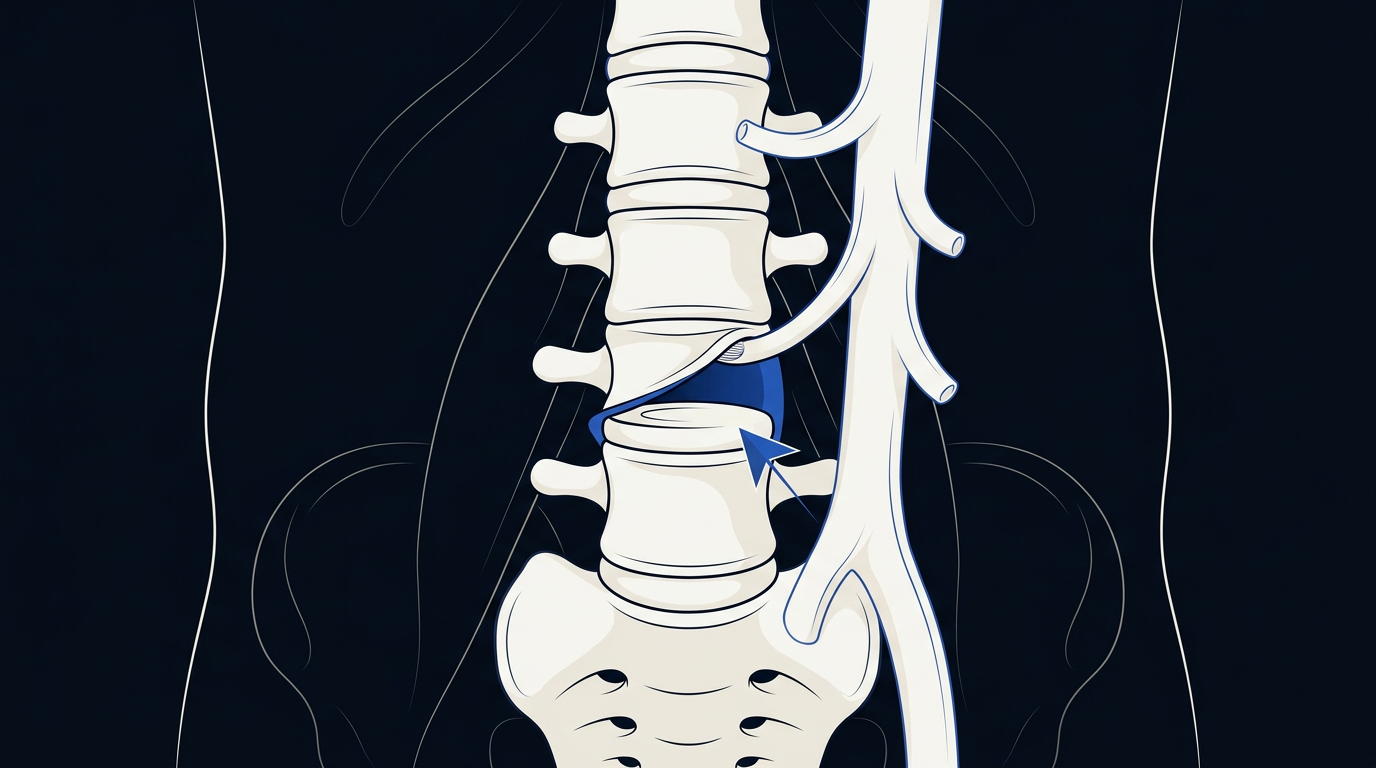
Medical illustration of anterior spine exposure showing the lumbar vertebrae accessed through the abdomen for ALIF, XLIF, and OLIF procedures

Quick Guide

Role

Access surgeon for spine procedures

Approaches

Anterior (ALIF), Lateral (XLIF), Oblique (OLIF)

Key Skill

Vascular and visceral navigation

Team

Works alongside the spine surgeon

Patient-First Note

The access surgeon and spine surgeon work as a team. Dr. Bayouth handles the approach — safely navigating abdominal organs and blood vessels to expose the spine — while the spine surgeon performs the spinal procedure itself.

What It Is

Surgical access to the front of the spine

Many spine conditions are best treated from the front (anterior) or side (lateral). A general surgeon creates the surgical corridor — moving organs and vessels safely aside — so the spine surgeon can work directly on the vertebrae and discs.

ALIF

Anterior lumbar interbody fusion

The approach is through the lower abdomen to reach the lumbar spine from the front. The access surgeon navigates around the great vessels (aorta and vena cava) and retroperitoneal structures.

XLIF

Lateral approach (T12–L4)

XLIF (extreme lateral interbody fusion) approaches the spine from the side, typically used for levels between T12 and L4. The access surgeon navigates through or around the psoas muscle to reach the disc spaces while avoiding the large anterior vessels.

OLIF

Oblique approach (L4–L5, sometimes L5–S1)

OLIF (oblique lateral interbody fusion) is an in-between of the anterior and lateral approaches. It is typically used for L4-L5 and, in certain patients, L5-S1. The oblique corridor passes between the psoas muscle and the great vessels, avoiding both.

Why a General Surgeon

Vascular and abdominal expertise

The spine is surrounded by major blood vessels, ureters, and abdominal organs. A general/trauma surgeon's training in abdominal and vascular anatomy is essential for safe access.

The Team Approach

Two surgeons, one operation

Anterior spine surgery is a collaboration. The access surgeon (Dr. Bayouth) opens the surgical corridor, identifies and protects vital structures, and maintains exposure. The spine surgeon then performs the fusion, disc replacement, or correction.

After the spinal work is complete, the access surgeon closes the approach. This two-surgeon model is standard at major medical centers and ensures each surgeon works in their area of greatest expertise.

Approaches

ALIF, XLIF, and OLIF — different corridors for different levels

ALIF (anterior lumbar interbody fusion) approaches the spine from directly in front through the abdomen. It provides excellent access to the L4-L5 and L5-S1 disc spaces and is commonly used for degenerative disc disease and spondylolisthesis.

XLIF (extreme lateral interbody fusion) approaches from the side and is typically used for levels between T12 and L4. It passes through or around the psoas muscle and can treat multiple levels with smaller incisions.

OLIF (oblique lateral interbody fusion) is the in-between of the anterior and lateral approaches. It is typically used for L4-L5 and, in certain patients, L5-S1. The oblique corridor passes between the psoas muscle and the great vessels, combining advantages of both anterior and lateral access.

How Care Is Planned

Treatment is based on your symptoms, exam, and the condition.

ALIF Exposure

Anterior approach to the lumbar spine

The access surgeon creates a corridor through the lower abdomen to expose the front of the lumbar vertebrae, carefully mobilizing the great vessels. Most commonly used for L4-L5 and L5-S1 levels.

XLIF Exposure

Lateral approach for T12–L4

The access surgeon works through the flank to reach the spine from the side, navigating the psoas muscle and retroperitoneal structures. Typically used for levels between T12 and L4.

OLIF Exposure

Oblique approach for L4–L5 and select L5–S1

The access surgeon creates an oblique corridor between the psoas muscle and the great vessels. This in-between approach is typically used for L4-L5 and, in certain patients, L5-S1.

Revision Access

Re-exposure for prior spine surgery

Revision anterior spine surgery requires navigating scar tissue from the prior approach. This is more complex and benefits from an experienced access surgeon.

Recovery Timeline

What recovery may look like.

Step 1

Before surgery

The spine surgeon and access surgeon plan the approach together. Pre-operative imaging (MRI, CT, vascular studies) helps map the anatomy.

Step 2

Surgery day

The access portion typically takes 30 to 90 minutes. The full procedure — access plus spinal work — may take two to four hours total.

Step 3

Hospital stay

Most patients stay two to four days depending on the spinal procedure performed. The spine surgeon monitors patient recovery and will get in contact with the access surgeon if there are any issues or concerns post-operatively.

Step 4

Recovery

Recovery from the access portion is typically quicker than the spinal fusion recovery. Abdominal soreness resolves within one to two weeks. Overall recovery depends on the spine procedure.

Common Questions

Answers patients often want before scheduling.

Why does a spine surgery need a general surgeon?

The spine is accessed through the abdomen, near major blood vessels and organs. A general/trauma surgeon has specialized training in safely navigating this anatomy — skills that complement the spine surgeon's expertise.

Is the access surgery dangerous?

All surgery carries risk. The main risks of anterior spine access involve injury to blood vessels, ureters, or abdominal organs. An experienced access surgeon minimizes these risks through careful technique and anatomic knowledge.

Will I have an abdominal incision?

Yes. The size and location depend on the approach (ALIF vs. XLIF/OLIF) and the number of spinal levels being treated. Lateral approaches typically use smaller incisions.

Who manages my care after surgery?

The spine surgeon typically manages the patient post-operatively, and will contact the access surgeon for any abdominal or vascular concerns.

Consultation

Talk through your symptoms and next steps.

Call our office to schedule an evaluation with Dr. Bayouth. This page is educational and should not replace personal medical advice.