AboutProceduresReviewsInsuranceFormsContactCall 817.922.9229

Procedure Guide

Gallbladder Surgery

Cholecystectomy — surgical removal of the gallbladder — is one of the most commonly performed operations in the United States. It is typically recommended when gallstones cause pain, inflammation, or complications such as infection or blockage of the bile duct.

Most common general surgery procedureUsually performed laparoscopicallyOften same-day or overnight stayQuick return to normal activity
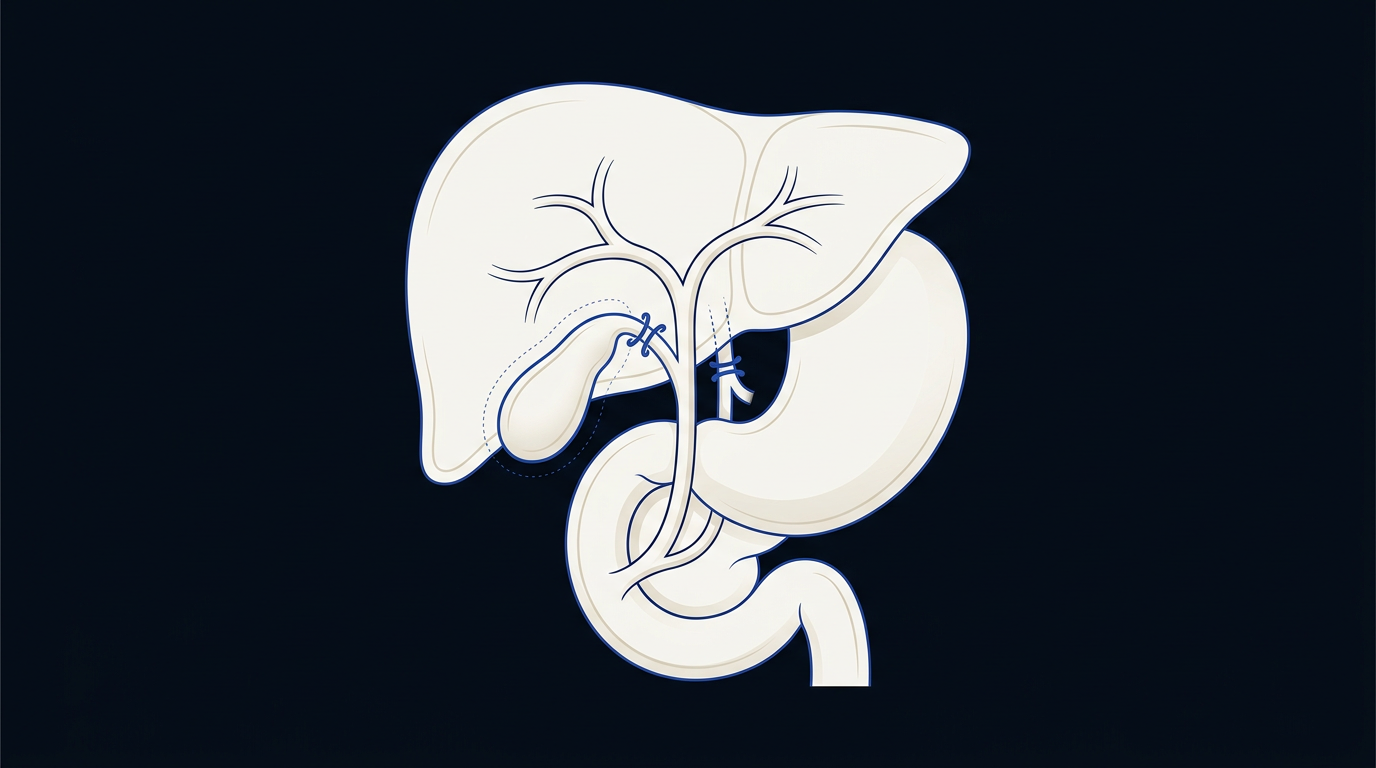
Medical illustration of gallbladder surgery showing the gallbladder, bile ducts, and laparoscopic removal approach

Quick Guide

Condition

Gallstones causing symptoms

Approach

Laparoscopic cholecystectomy

Hospital Stay

Same-day or 1 night

Recovery

1–2 weeks for most patients

Patient-First Note

Gallbladder surgery is one of the most common operations performed by general surgeons. Most patients recover quickly and return to normal activity within one to two weeks.

What It Is

Removing the gallbladder

The gallbladder is a small organ beneath the liver that stores bile. When gallstones form and cause symptoms, the standard treatment is removal of the entire gallbladder.

Why It Happens

Gallstones block bile flow

Gallstones can block the cystic duct or bile duct, causing pain (biliary colic), inflammation (cholecystitis), infection, or pancreatitis.

Symptoms

Upper right abdominal pain after eating

Classic symptoms include sharp pain in the upper right abdomen, often after fatty meals. Nausea, vomiting, and pain radiating to the shoulder or back are also common.

Life After

You can live well without a gallbladder

Bile continues to flow from the liver directly into the small intestine. Most patients have no long-term dietary restrictions after recovery.

Symptoms

What gallbladder attacks feel like

Gallbladder attacks typically present as sudden, intense pain in the upper right abdomen that may last minutes to hours. The pain often occurs after meals, especially fatty or heavy food.

Some patients also experience nausea, vomiting, bloating, or pain that radiates to the right shoulder blade or back. Fever or persistent pain may indicate infection or complications requiring urgent evaluation.

  • Sharp upper right abdominal pain
  • Pain after eating, especially fatty foods
  • Nausea or vomiting with episodes
  • Pain radiating to shoulder or back

Evaluation

How gallbladder problems are diagnosed

An abdominal ultrasound is the primary imaging tool for detecting gallstones. Blood work may reveal elevated liver enzymes, signs of infection, or evidence of bile duct obstruction.

Additional testing such as a HIDA scan or MRCP may be used when the diagnosis is unclear or there is concern for stones in the common bile duct.

How Care Is Planned

Treatment is based on your symptoms, exam, and the condition.

Laparoscopic

Standard minimally invasive removal

Four small incisions in the abdomen allow the surgeon to remove the gallbladder with a camera and specialized instruments. Most patients go home the same day.

Robotic-Assisted

Enhanced precision for selected patients

Robotic-assisted cholecystectomy uses the same small-incision approach with additional precision and dexterity. May be considered in certain anatomic situations.

Open Surgery

When minimally invasive is not possible

Severe inflammation, prior surgery, or anatomic concerns may require conversion to an open approach with a larger incision. Recovery is typically longer.

Recovery Timeline

What recovery may look like.

Step 1

Before surgery

Your consultation includes reviewing symptoms, imaging results, and the planned surgical approach. Pre-operative instructions cover diet, medications, and what to expect.

Step 2

Procedure day

Laparoscopic cholecystectomy typically takes 30 to 60 minutes. Many patients are discharged the same day.

Step 3

First week

Mild soreness at incision sites is normal. Most patients manage discomfort with over-the-counter pain relief and return to light activity within a few days.

Step 4

Full recovery

Most patients return to work and normal activity within one to two weeks. Heavy lifting restrictions may apply for two to four weeks depending on the approach.

Common Questions

Answers patients often want before scheduling.

Do I need my gallbladder?

The gallbladder is not essential. After removal, bile flows directly from the liver to the small intestine. Most patients have no long-term dietary changes.

Will I need to change my diet permanently?

Most patients return to a normal diet. Some people experience temporary sensitivity to fatty foods in the first few weeks, but this usually resolves.

What if gallstones are found in the bile duct?

Stones in the common bile duct may be removed endoscopically (ERCP) before or during gallbladder surgery, or addressed at the time of the operation depending on the clinical situation.

Can gallbladder problems come back after surgery?

Once the gallbladder is removed, gallstones cannot recur in the gallbladder. Rarely, stones can form in the bile ducts, but this is uncommon.

Consultation

Talk through your symptoms and next steps.

Call our office to schedule an evaluation with Dr. Bayouth. This page is educational and should not replace personal medical advice.