AboutProceduresReviewsInsuranceFormsContactCall 817.922.9229

Procedure Guide

LINX Procedure for GERD

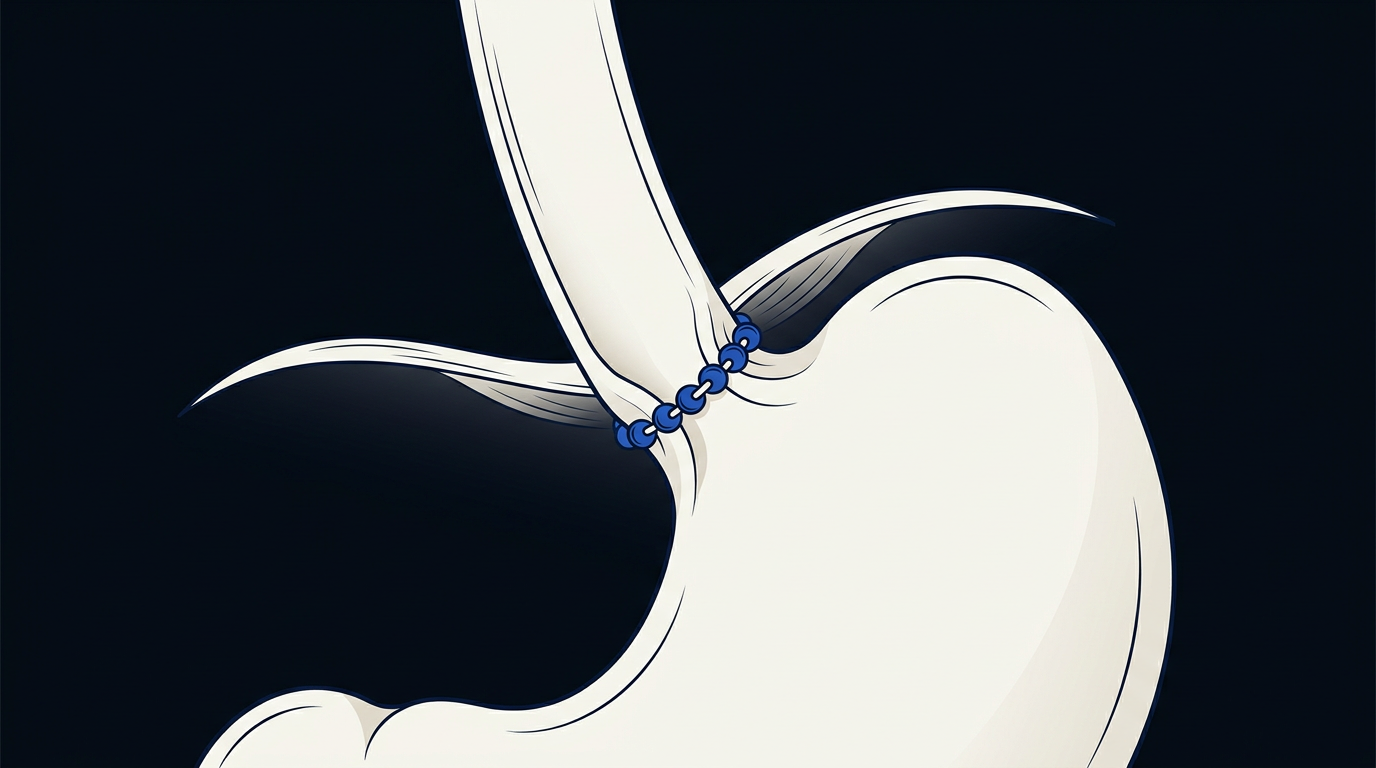
The LINX system is a small, flexible ring of magnetic beads placed around the lower esophageal sphincter to restore the body's natural barrier against acid reflux. It is a minimally invasive alternative to fundoplication for patients with gastroesophageal reflux disease (GERD) whose sphincter is no longer functioning properly.

FDA-approved magnetic sphincter deviceMinimally invasive — same-day dischargeAlternative to Nissen fundoplicationReversible if needed
Medical illustration of the LINX magnetic sphincter augmentation device placed around the lower esophageal sphincter to prevent acid reflux

Quick Guide

Device

Small magnetic ring around the sphincter

Approach

Laparoscopic, minimally invasive

Hospital Stay

Same-day discharge

Diet Return

Gradual over ~8 weeks

Patient-First Note

The LINX system is FDA-approved and designed as a long-term solution for GERD. It works differently from fundoplication — rather than wrapping the stomach, it reinforces the sphincter with a small magnetic ring. Dr. Bayouth can help determine whether LINX or fundoplication is the right approach for you.

What It Is

A magnetic ring that restores sphincter function

The LINX device is roughly the size of a quarter — a flexible band of magnetic beads connected by titanium wire. It is placed around the lower esophageal sphincter, where the magnets hold the sphincter closed to prevent reflux while still allowing food and liquid to pass through normally.

How It Differs

An alternative to fundoplication

Unlike Nissen or Toupet fundoplication, which wraps the stomach around the esophagus, LINX reinforces the existing sphincter without altering the stomach anatomy. This means patients can typically eat more normally after surgery, with fewer dietary restrictions during recovery.

FDA Approved

Clinically studied and approved

The LINX system is FDA-approved. Clinical studies conducted under FDA oversight show that only about 3% of patients require device removal, and approximately 90% of patients are able to stop taking daily GERD medication after the procedure.

Reversible

The device can be removed if needed

If a complication arises or the device is not well-tolerated, the LINX ring can be removed. Removal is uncommon but straightforward, and the procedure is comparable in complexity to the original placement.

How It Works

The LINX device replaces a non-functioning sphincter

The lower esophageal sphincter normally opens to let food into the stomach and closes to prevent acid from flowing back up. When this sphincter weakens or stops functioning, acid reflux occurs. The LINX device mimics the action of a healthy sphincter using magnetic force.

The ring of magnets remains closed at rest, keeping acid in the stomach. When you swallow, the force of food and liquid passing through temporarily separates the magnets, allowing normal passage into the stomach. The magnets then close again immediately.

Candidacy

Who qualifies for the LINX procedure

Candidates for LINX typically have confirmed GERD with a non-functioning lower esophageal sphincter, documented by pH testing and manometry. The device is designed for patients whose reflux is not adequately controlled by medication.

Patients who have had prior Nissen fundoplication, esophageal surgery, or bariatric surgery (gastric band, gastric bypass) are generally not candidates for LINX. Patients who are pregnant or planning pregnancy should discuss timing with their surgeon, as the post-operative dietary changes may not be appropriate during pregnancy.

  • Confirmed GERD with sphincter dysfunction
  • Inadequate relief from medication
  • No prior fundoplication or bariatric surgery
  • Pre-operative pH study and manometry required

The Operation

A minimally invasive, same-day procedure

The LINX procedure is performed laparoscopically through small incisions. The surgeon places the magnetic ring around the lower esophageal sphincter and connects the ends. The operation is straightforward — most patients go home the same day.

Because the surgery does not alter the stomach anatomy, the procedure is shorter and the recovery is generally faster compared to fundoplication. The device begins working immediately after placement.

How Care Is Planned

Treatment is based on your symptoms, exam, and the condition.

LINX Placement

Magnetic sphincter augmentation

The LINX ring is placed laparoscopically around the lower esophageal sphincter. Same-day discharge, minimal dietary restrictions compared to fundoplication, and the device is reversible if needed.

Fundoplication

When LINX is not the right fit

Patients with prior esophageal or bariatric surgery, or those with anatomy better suited to a wrap, may be recommended for Nissen or Toupet fundoplication instead. Dr. Bayouth performs both and will recommend the best approach.

Medical Management

Continued medication if surgery is not indicated

For patients whose reflux responds to medication or who are not candidates for surgery, ongoing medical management with acid-suppressing drugs and lifestyle modifications remains a reasonable option.

Recovery Timeline

What recovery may look like.

Step 1

Before surgery

Pre-operative testing includes EGD, pH study, and manometry to confirm sphincter dysfunction and GERD severity. These results determine whether LINX or fundoplication is the better option.

Step 2

Procedure day

The operation is performed laparoscopically and typically takes less than one hour. Most patients go home the same day. The device begins working immediately.

Step 3

Weeks 1–2

A soft diet is recommended — small meals every one to two hours, avoiding dry or hard foods. Applesauce, soup, and soft wet foods are ideal. Sit upright during and after meals. Some difficulty swallowing, bloating, and mild chest discomfort are normal as your body adjusts.

Step 4

Weeks 3–8

Scar tissue forms around the device, securing it in place. You will gradually work your way back to solid foods and regular meal sizes. Avoid carbonated beverages. Most patients return to a normal diet by about eight weeks. No heavy lifting over 20 lbs for 6 weeks following surgery.

Common Questions

Answers patients often want before scheduling.

What is the difference between LINX and fundoplication?

Fundoplication wraps the stomach around the esophagus to create an anti-reflux barrier. LINX places a small magnetic ring around the sphincter to restore its natural function. LINX generally allows for fewer dietary restrictions and a faster return to normal eating. The right choice depends on your anatomy and test results.

Is the LINX procedure reversible?

Yes. The LINX device can be removed if needed. Removal is uncommon (approximately 3% of patients) and is typically performed for persistent difficulty swallowing that does not resolve. The removal procedure is similar in complexity to the original placement.

Does insurance cover the LINX procedure?

Most insurance companies cover anti-reflux surgery, including LINX. Because the device is newer, some plans may require pre-authorization. Our office can help you navigate insurance approval before scheduling your procedure.

How soon can I return to normal activity?

Most patients return to daily activities within a few days. The main adjustment is dietary — it takes approximately eight weeks to transition fully back to regular foods. No heavy lifting over 20 lbs for 6 weeks following surgery.

Can I get an MRI after LINX?

The current LINX device is conditionally approved for MRI scans up to 1.5 Tesla. Discuss any future imaging needs with your surgeon before the procedure.

Consultation

Talk through your symptoms and next steps.

Call our office to schedule an evaluation with Dr. Bayouth. This page is educational and should not replace personal medical advice.