AboutProceduresReviewsInsuranceFormsContactCall 817.922.9229

Procedure Guide

Esophagus Surgery

Esophageal surgery addresses conditions affecting the tube that carries food from the throat to the stomach. Indications include severe reflux complications, strictures, perforations, tumors, and motility disorders that do not respond to medical management.

Treats conditions from reflux to tumorsOpen, laparoscopic, or robotic approachesRanges from straightforward to complexRequires experienced surgical judgment
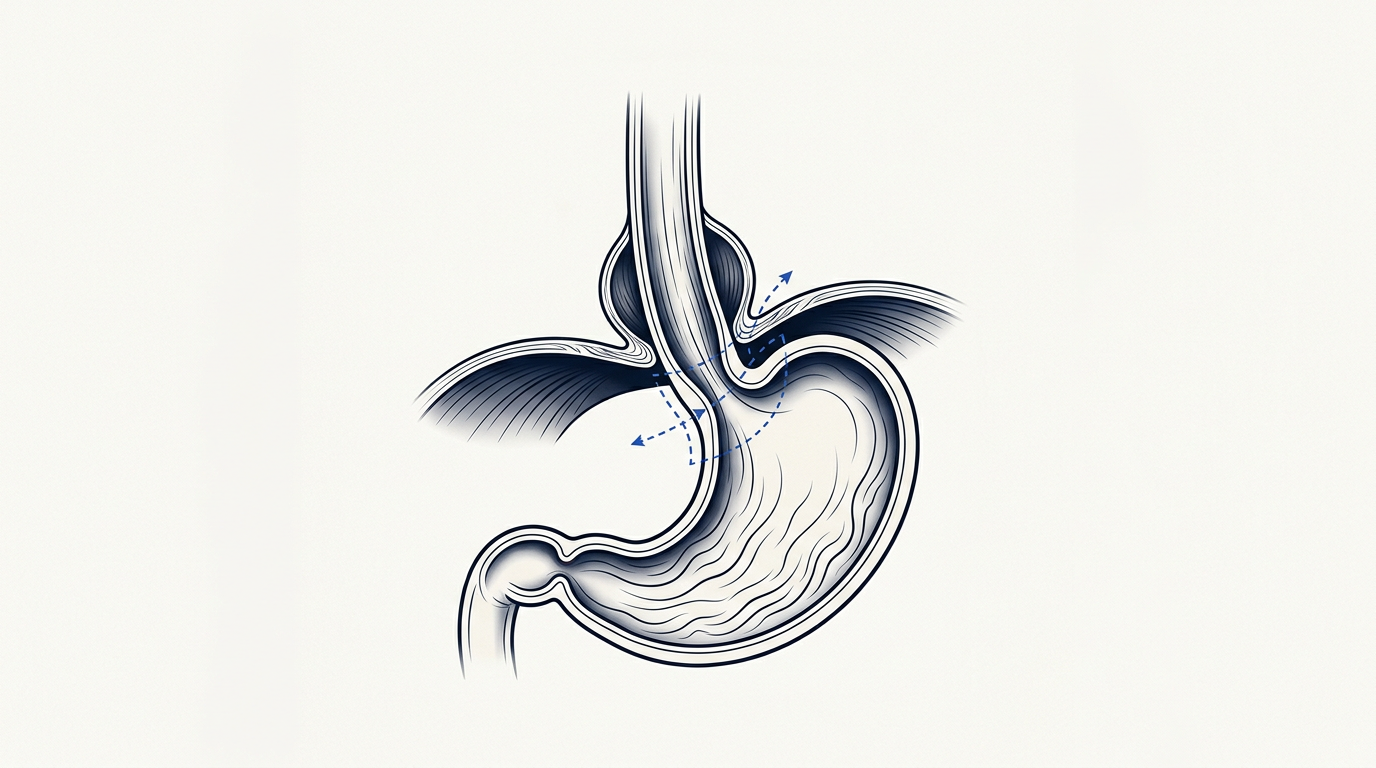
Medical illustration of esophageal surgery showing the esophagus, surrounding anatomy, and surgical access

Quick Guide

Conditions

Strictures, perforations, tumors, motility issues

Approaches

Laparoscopic, robotic, or open

Complexity

Varies widely by condition

Hospital Stay

Depends on procedure scope

Patient-First Note

Esophageal conditions range from manageable to complex. Surgery is typically considered when non-surgical treatments have not resolved the problem or when the condition requires direct intervention.

What It Covers

A range of esophageal conditions

Esophageal surgery may be needed for strictures (narrowing), perforations (tears), diverticula (pouches), tumors, Barrett's esophagus complications, or achalasia and other motility disorders.

Evaluation

Thorough workup guides the approach

Upper endoscopy, barium swallow, CT imaging, manometry, and pH testing may all play a role in determining the diagnosis and best surgical approach.

Approaches

Tailored to the specific problem

Some esophageal conditions require minimally invasive repair, while others demand open surgery. The approach depends on the condition, its location, and the patient's overall health.

Experience Matters

Complex anatomy requires skilled hands

The esophagus sits in a challenging anatomic location between the chest and abdomen. Surgical experience and judgment are critical for safe and effective treatment.

Conditions

When esophageal surgery may be needed

Common indications include severe GERD complications unresponsive to fundoplication, esophageal strictures causing persistent difficulty swallowing, perforations from trauma or endoscopic procedures, and tumors requiring resection.

Less common indications include esophageal diverticula, achalasia (failure of the lower esophageal sphincter to relax), and complications of prior esophageal surgery.

Approach

How surgical planning works

The surgical approach is determined by the specific condition, its location along the esophagus, the patient's anatomy, and prior surgical history. Minimally invasive techniques are used when appropriate.

Complex cases may require multidisciplinary planning. The goal is always to choose the approach that offers the best outcome with the least risk for each individual patient.

How Care Is Planned

Treatment is based on your symptoms, exam, and the condition.

Endoscopic

Non-surgical interventions when possible

Some esophageal conditions can be managed endoscopically, including dilation of strictures, stent placement, or treatment of early mucosal lesions.

Minimally Invasive

Laparoscopic or robotic surgery

Many esophageal procedures can be performed through small incisions, offering less pain and faster recovery while addressing the underlying condition.

Open Surgery

For complex or extensive disease

Large tumors, perforations, or conditions requiring esophageal resection may necessitate open surgery through the chest or abdomen for safe and complete treatment.

Recovery Timeline

What recovery may look like.

Step 1

Evaluation

A thorough workup determines the diagnosis and best approach. This may take several visits and multiple tests.

Step 2

Surgery

Procedure duration and complexity vary widely. Simpler repairs may take one to two hours; complex resections may take significantly longer.

Step 3

Hospital stay

Ranges from one to two days for simpler procedures to a week or more for complex esophageal operations.

Step 4

Recovery

Diet and activity restrictions are individualized. Some patients recover in weeks; others require a more gradual return to normal eating and activity.

Common Questions

Answers patients often want before scheduling.

Is esophageal surgery always major?

No. Some esophageal procedures are relatively straightforward, such as repair of a small perforation or a myotomy for achalasia. The scope of surgery depends entirely on the condition being treated.

Will I be able to eat normally afterward?

This depends on the procedure. Many patients return to a normal diet over time. Patients who undergo esophageal resection may need permanent dietary modifications.

How is the approach decided?

The surgical approach is based on the condition, its location, severity, and the patient's overall health and surgical history. This is discussed in detail during your consultation.

What is the difference between esophageal surgery and anti-reflux surgery?

Anti-reflux surgery (fundoplication) specifically treats GERD. Esophageal surgery is a broader category that includes treating strictures, tumors, perforations, and other structural problems of the esophagus.

Consultation

Talk through your symptoms and next steps.

Call our office to schedule an evaluation with Dr. Bayouth. This page is educational and should not replace personal medical advice.