AboutProceduresReviewsInsuranceFormsContactCall 817.922.9229

Procedure Guide

Small Bowel Surgery

Small bowel surgery addresses conditions affecting the small intestine, including obstructions, Crohn's disease complications, tumors, perforations, and trauma. The small bowel is the longest segment of the digestive tract and plays a critical role in nutrient absorption.

Treats obstructions, Crohn's, and tumorsEmergency and elective indicationsResection with primary reconnectionTrauma and acute care experience
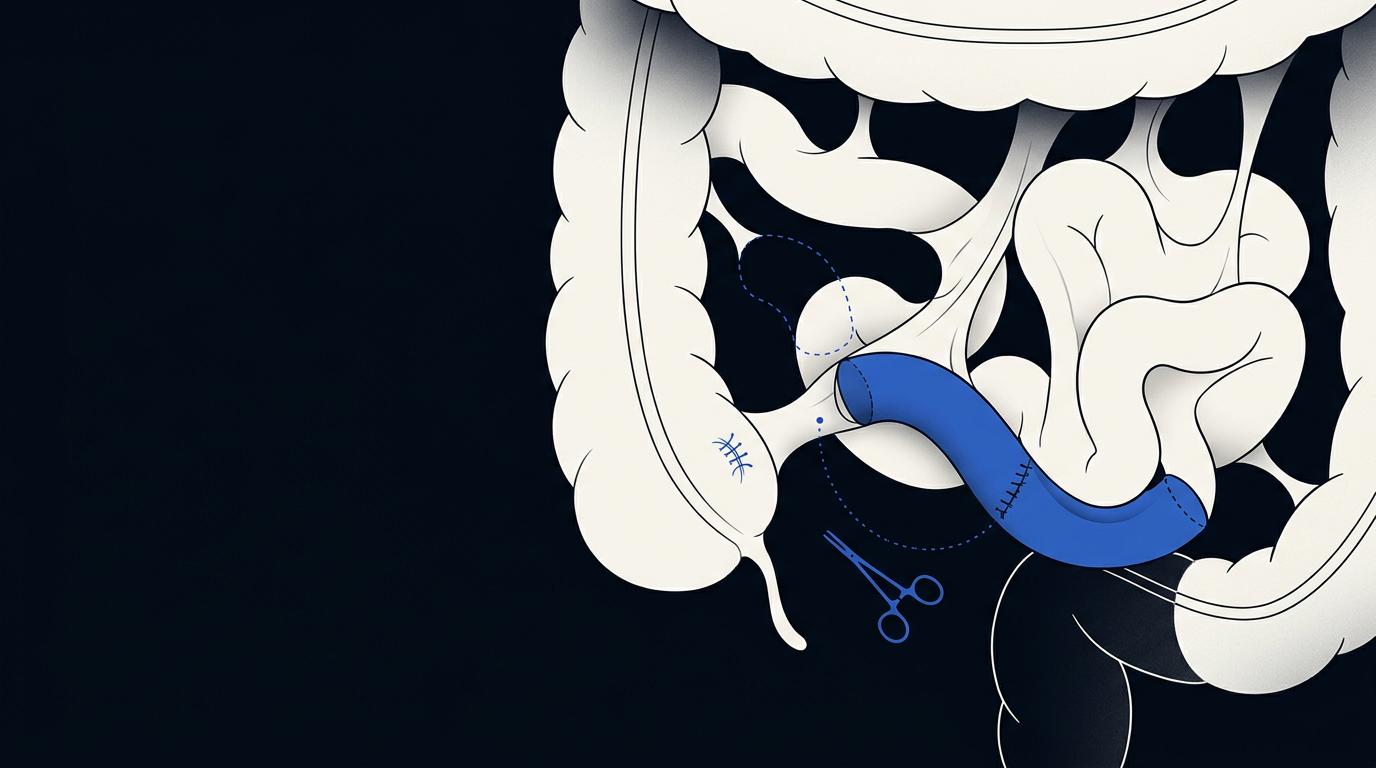
Medical illustration of small bowel surgery showing the small intestine, resection site, and surgical reconnection

Quick Guide

Common Conditions

Obstruction, Crohn's, tumors, trauma

Urgency

Emergency or planned

Procedure

Resection or repair

Recovery

Varies by extent of surgery

Patient-First Note

Small bowel conditions range from straightforward to complex. Your surgeon will explain the specific problem, the planned approach, and what to expect during recovery.

What It Covers

Surgery on the small intestine

The small bowel includes the duodenum, jejunum, and ileum. Surgery may involve resecting (removing) a segment, repairing damage, or bypassing an obstruction.

Obstruction

The most common surgical indication

Small bowel obstruction — often caused by adhesions from prior surgery — is one of the most common reasons for emergency abdominal surgery. Not all obstructions require surgery, but complete or complicated obstructions do.

Crohn's Disease

Surgery for complications

Patients with Crohn's disease may eventually need surgery for strictures (narrowing), fistulas (abnormal connections), abscesses, or disease that does not respond to medication.

Reconnection

Primary anastomosis when possible

After removing a segment of small bowel, the remaining ends are typically reconnected (anastomosis). In some situations, a temporary ostomy may be needed.

Indications

When small bowel surgery is needed

The most common indication is small bowel obstruction that does not resolve with conservative management (bowel rest, IV fluids, nasogastric tube). Signs of strangulation or complete obstruction require urgent surgery.

Other indications include Crohn's disease complications, small bowel tumors, mesenteric ischemia (loss of blood supply), perforations, and traumatic injuries.

Approach

Open and laparoscopic techniques

Small bowel surgery is frequently performed through an open (laparotomy) approach, especially in emergency settings or when significant adhesions are present.

Selected cases — particularly planned Crohn's resections or diagnostic explorations — may be approached laparoscopically when the anatomy allows.

How Care Is Planned

Treatment is based on your symptoms, exam, and the condition.

Conservative

Non-operative management for partial obstruction

Partial small bowel obstructions may resolve with bowel rest, IV fluids, and nasogastric decompression. Close monitoring determines whether surgery becomes necessary.

Resection

Removing the affected segment

Diseased, damaged, or obstructed bowel is removed and the healthy ends are reconnected. The amount removed depends on the extent of the problem.

Adhesiolysis

Freeing the bowel from scar tissue

Many obstructions are caused by adhesions (scar bands) from prior surgery. Carefully dividing these adhesions may resolve the obstruction without bowel resection.

Recovery Timeline

What recovery may look like.

Step 1

Evaluation

CT imaging, blood work, and clinical assessment determine the severity of the condition and whether surgery is needed.

Step 2

Surgery

Procedure length varies from one to several hours depending on complexity, adhesions, and the extent of bowel involvement.

Step 3

Hospital stay

Typically three to seven days. Bowel function must return (passing gas, tolerating diet) before discharge.

Step 4

Recovery

Full recovery takes several weeks. Diet is advanced gradually and activity restrictions depend on the surgical approach used.

Common Questions

Answers patients often want before scheduling.

What causes small bowel obstruction?

The most common cause is adhesions (scar tissue) from prior abdominal surgery. Hernias, tumors, Crohn's disease, and volvulus are other causes.

Can I live normally after losing part of my small bowel?

Yes, in most cases. The remaining small bowel adapts over time. Only when a very large amount is removed may nutrient absorption become a concern (short bowel syndrome).

Will I need an ostomy?

Most small bowel surgeries do not require a permanent ostomy. A temporary ostomy may be created in complex cases to allow healing, and is typically reversed later.

Can Crohn's disease be cured with surgery?

Surgery does not cure Crohn's disease, but it can effectively treat complications like strictures, fistulas, and abscesses. Many patients experience long periods of remission after surgery.

Consultation

Talk through your symptoms and next steps.

Call our office to schedule an evaluation with Dr. Bayouth. This page is educational and should not replace personal medical advice.