AboutProceduresReviewsInsuranceFormsContactCall 817.922.9229

Procedure Guide

Appendix Surgery

Appendectomy is the surgical removal of the appendix, most commonly performed as an emergency procedure for acute appendicitis. When the appendix becomes inflamed and infected, prompt surgical removal prevents rupture and more serious complications.

Common surgical emergencyUsually performed laparoscopicallyTypically requires 1 night in hospitalMost patients recover within 1–2 weeks
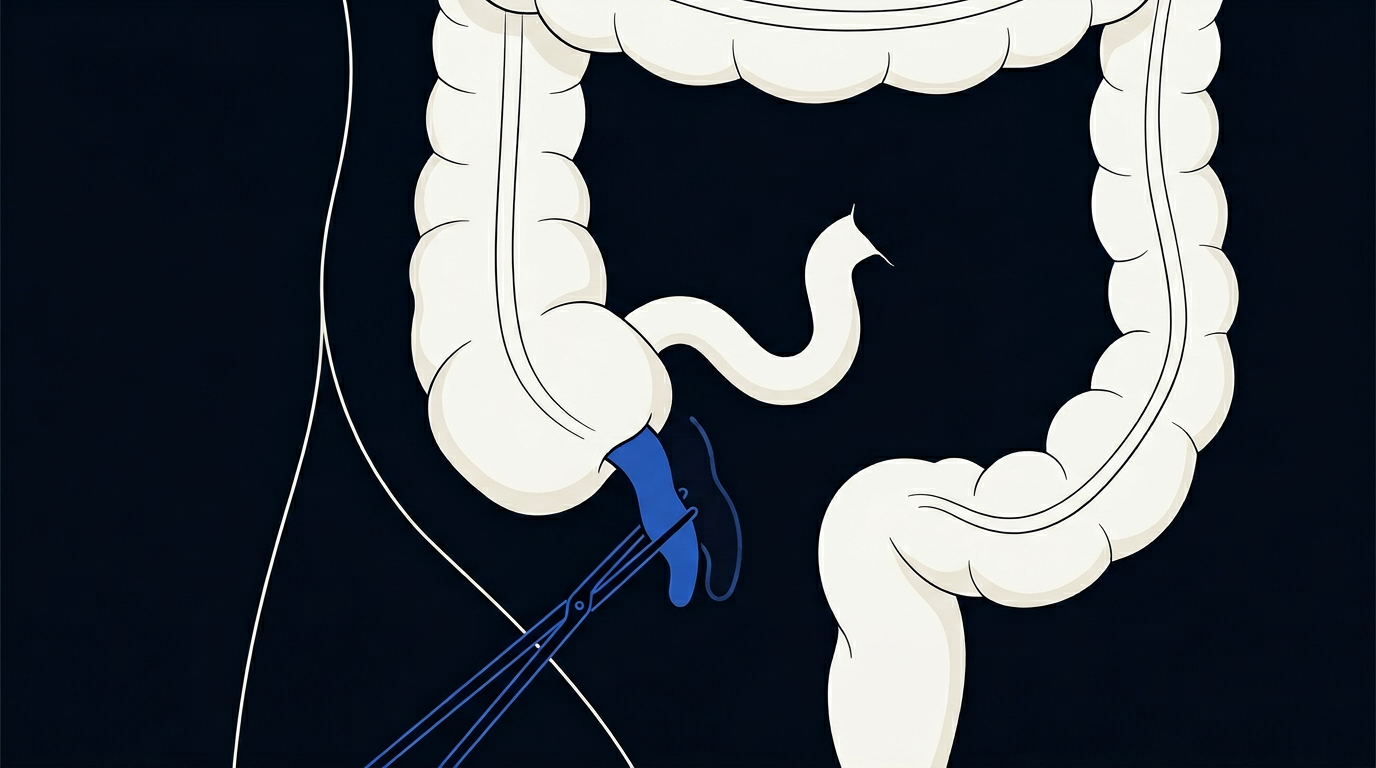
Medical illustration of appendectomy showing the inflamed appendix and its relationship to the large intestine

Quick Guide

Condition

Acute appendicitis

Urgency

Usually requires prompt surgery

Approach

Laparoscopic appendectomy

Recovery

1–2 weeks typical

Patient-First Note

Appendicitis is one of the most common surgical emergencies. Early diagnosis and treatment lead to the best outcomes. If you have concerning symptoms, seek medical evaluation promptly.

What It Is

Inflammation of the appendix

The appendix is a small pouch attached to the beginning of the large intestine. When it becomes blocked and inflamed, the condition is called appendicitis.

Why It's Urgent

Risk of rupture and infection

An inflamed appendix can rupture if not treated, spreading infection throughout the abdomen (peritonitis). This significantly increases the complexity of treatment and recovery.

Who It Affects

Most common in teens and young adults

Appendicitis can occur at any age but is most common between ages 10 and 30. It affects both men and women.

Diagnosis

Pain, imaging, and lab work

Classic symptoms combined with CT imaging and blood work showing elevated white blood cells typically confirm the diagnosis. Not all cases present in a textbook manner.

Symptoms

Recognizing appendicitis

Appendicitis classically begins with vague pain around the belly button that migrates to the lower right abdomen over several hours. The pain typically becomes sharper and more localized.

Other common symptoms include loss of appetite, nausea, low-grade fever, and pain that worsens with movement, coughing, or pressing on the abdomen.

  • Pain starting near the belly button
  • Pain migrating to lower right abdomen
  • Loss of appetite and nausea
  • Low-grade fever

Treatment

Surgical removal is the standard

Appendectomy remains the standard treatment for appendicitis. Laparoscopic appendectomy through three small incisions is the most common approach, offering faster recovery and less pain than open surgery.

In cases of ruptured appendix with abscess formation, treatment may involve antibiotics first followed by interval appendectomy after the infection has been controlled.

How Care Is Planned

Treatment is based on your symptoms, exam, and the condition.

Laparoscopic

Standard minimally invasive approach

Three small incisions allow removal of the appendix with a camera and instruments. Shorter hospital stay and faster recovery compared to open surgery.

Open Appendectomy

For complicated or ruptured cases

A larger incision in the right lower abdomen may be needed when the appendix has ruptured or when significant inflammation makes laparoscopic surgery unsafe.

Interval Appendectomy

Delayed removal after abscess drainage

In select cases where a ruptured appendix has formed an abscess, antibiotics and drainage may be used first, with appendectomy performed weeks later after inflammation resolves.

Recovery Timeline

What recovery may look like.

Step 1

Emergency evaluation

Appendicitis is usually diagnosed in the emergency department with a combination of physical exam, blood work, and CT imaging.

Step 2

Surgery

Laparoscopic appendectomy typically takes 30 to 60 minutes. Most uncomplicated cases involve a one-night hospital stay.

Step 3

First week

Light activity can resume within a few days. Pain at incision sites is typically manageable with standard pain medication.

Step 4

Full recovery

Most patients return to work and normal activity within one to two weeks. Complicated cases may require a longer recovery period.

Common Questions

Answers patients often want before scheduling.

Can appendicitis be treated without surgery?

In some limited situations, antibiotics alone may be considered for uncomplicated appendicitis. However, appendectomy remains the standard of care because of the risk of recurrence and complications.

What happens if the appendix ruptures?

A ruptured appendix can cause peritonitis or abscess formation, both of which are serious. Treatment may require a longer hospital stay, IV antibiotics, and potentially a more complex surgical procedure.

Do I need my appendix?

The appendix is not essential for normal body function. Removing it does not cause long-term health problems or require dietary changes.

How quickly does appendicitis need to be treated?

Appendicitis is considered a surgical urgency. Once diagnosed, surgery is typically performed within hours to prevent progression to rupture.

Consultation

Talk through your symptoms and next steps.

Call our office to schedule an evaluation with Dr. Bayouth. This page is educational and should not replace personal medical advice.